

Polycystic Ovary Syndrome (PCOS) is a common hormonal disorder affecting women of reproductive age. It can cause a variety of symptoms, including irregular periods, weight gain, acne, and excess hair growth. One of the key factors in managing PCOS effectively is adopting a healthy eating plan. In this blog post, we’ll delve into the importance of healthy eating with PCOS, explore the foods to include and avoid, and discuss how lifestyle changes can make a significant impact on managing the condition.
Understanding PCOS and Its Impact on Health
PCOS is not just a condition that affects the ovaries, but also one that can influence metabolic health. Many women with PCOS struggle with insulin resistance, which can lead to elevated blood sugar levels, increased fat storage, and difficulty losing weight. This is why a healthy eating plan can play a crucial role in managing PCOS symptoms and improving overall well-being.
Research has shown that a balanced diet, rich in fiber, lean proteins, healthy fats, and low in refined carbohydrates, can help regulate insulin levels, improve hormonal balance, and support weight loss in women with PCOS. It’s essential to tailor your diet to your specific symptoms and goals.
The Role of Diet in Managing PCOS
The right diet can address various symptoms associated with PCOS. Here’s how healthy eating can help:
1. Managing Insulin Resistance
Many women with PCOS experience insulin resistance, meaning the body’s cells become less responsive to insulin. This can lead to higher levels of insulin in the bloodstream, promoting fat storage and weight gain. Eating foods that help regulate blood sugar, such as whole grains, lean proteins, and non-starchy vegetables, can aid in managing insulin levels.
For more on how diet can help with insulin resistance, visit this study on the role of diet in PCOS management.
2. Reducing Inflammation
PCOS is often associated with chronic low-grade inflammation. Certain foods, like omega-3 fatty acids, have anti-inflammatory properties that can help reduce the levels of inflammation in the body. These foods include fatty fish such as salmon, chia seeds, and flaxseeds.

3. Regulating Hormones
A PCOS-friendly diet can also play a role in balancing hormones. For example, foods that are high in antioxidants (like fruits and vegetables) and vitamins (such as vitamin D) can support overall hormonal balance.
For more information on how diet affects hormone levels, check out this article on hormonal regulation.
Best Foods for Healthy Eating with PCOS
Eating the right foods is key to managing PCOS. Here’s a list of foods that can help balance hormones, control insulin levels, and promote weight management.
1. High-Fiber Foods
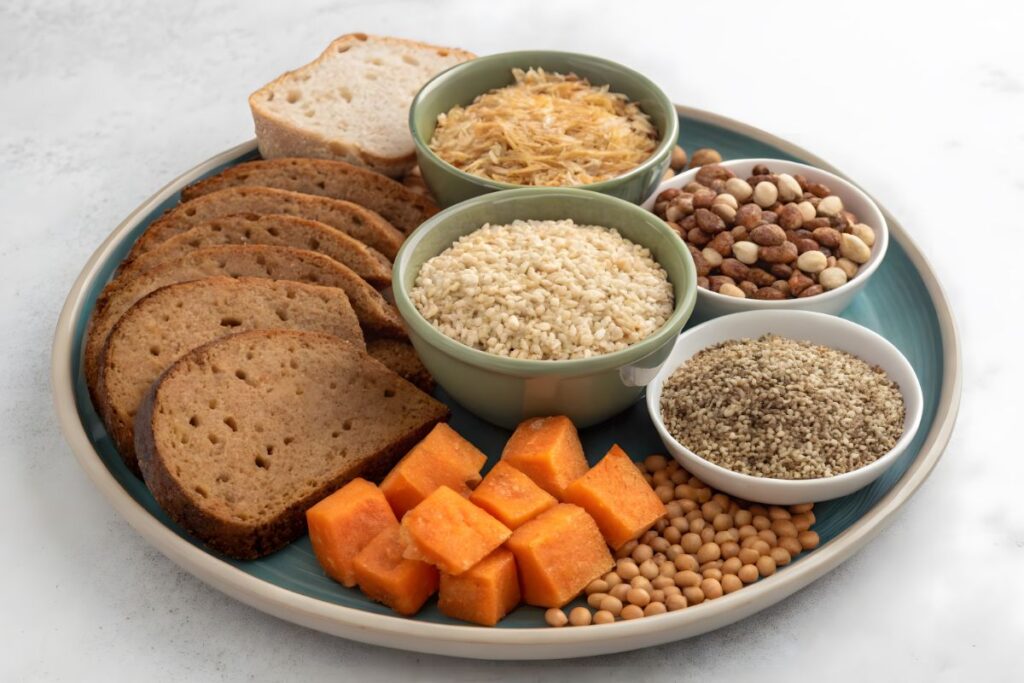
Fiber-rich foods help slow down the absorption of sugar into the bloodstream, making it easier to manage insulin resistance. High-fiber foods to incorporate into your diet include:
- Leafy greens like spinach, kale, and Swiss chard
- Whole grains like quinoa, brown rice, and oats
- Beans, lentils, and chickpeas
- Berries and apples
2. Lean Proteins
Protein helps maintain muscle mass and can also improve satiety, making it easier to control cravings. Good sources of lean protein include:
- Skinless poultry (chicken, turkey)
- Fish and seafood (salmon, tuna, sardines)
- Eggs
- Tofu and tempeh
3. Healthy Fats
Incorporating healthy fats into your diet can help regulate hormones and improve metabolic health. Opt for fats that are rich in omega-3 fatty acids, which can reduce inflammation. Some great sources include:
- Fatty fish (salmon, mackerel)
- Flaxseeds and chia seeds
- Nuts and seeds (walnuts, almonds)
- Avocados
4. Anti-Inflammatory Foods
As inflammation is a key factor in PCOS, including anti-inflammatory foods in your diet can help reduce symptoms. These foods include:
- Berries (blueberries, strawberries)
- Turmeric and ginger
- Green tea
- Olive oil
5. Low-Glycemic Index Foods
Foods with a low glycemic index (GI) are digested more slowly, which helps maintain steady blood sugar levels. This is particularly important for women with insulin resistance. Low-GI foods include:
- Sweet potatoes
- Non-starchy vegetables (broccoli, cauliflower, zucchini)
- Whole grains (barley, oats)
Foods to Avoid for Healthy Eating with PCOS
While it’s important to focus on foods that nourish your body, it’s equally important to avoid foods that can exacerbate PCOS symptoms, especially those that can increase insulin resistance and inflammation.
1. Refined Carbohydrates and Sugary Foods
Refined carbohydrates and sugar can cause spikes in blood sugar levels, leading to higher insulin production. This can worsen insulin resistance and contribute to weight gain. Avoid:
- White bread and pasta
- Sugary snacks, cakes, and pastries
- Sugary drinks (sodas, juices)
2. Processed Foods and Trans Fats
Processed foods, which are often high in unhealthy fats, should be limited in a PCOS-friendly diet. These foods contribute to inflammation and can interfere with hormonal balance. Avoid:
- Packaged snacks and fast food
- Margarine and foods containing trans fats
- Fried foods
3. Dairy Products
While dairy can be a good source of calcium and protein, some women with PCOS find that dairy exacerbates symptoms like acne and hormonal imbalance. Consider reducing dairy intake or opting for non-dairy alternatives like almond milk or soy milk.
Lifestyle Changes to Support Healthy Eating with PCOS
Diet alone may not be enough to manage PCOS effectively. Incorporating healthy lifestyle habits can amplify the benefits of a balanced diet.
1. Regular Exercise
Physical activity is essential for managing insulin resistance and weight gain associated with PCOS. Aim for a combination of aerobic exercises (like walking, swimming, and cycling) and strength training (like weightlifting or yoga) to improve overall health.

2. Stress Management
Chronic stress can exacerbate hormonal imbalances and insulin resistance. Incorporate stress-reducing practices such as meditation, deep breathing, or yoga into your routine.
3. Sleep Hygiene
Getting enough quality sleep is crucial for managing PCOS. Poor sleep can increase insulin resistance and disrupt hormonal balance. Aim for 7–9 hours of sleep per night and maintain a consistent sleep schedule.
Conclusion
Healthy eating with PCOS is not just about following a diet plan; it’s about understanding how certain foods can influence hormonal balance, insulin resistance, and overall well-being. By choosing whole, nutrient-dense foods and avoiding processed and inflammatory foods, women with PCOS can better manage their symptoms and improve their quality of life.
Remember that PCOS affects every woman differently, so it’s essential to consult with a healthcare provider or nutritionist to create a tailored eating plan that works for you. With the right approach, managing PCOS becomes less about restrictions and more about empowerment through healthy, sustainable choices.
Also Read: Insulin Resistance with PCOS: Causes and Solutions


