

If you are navigating the alphabet soup of prenatal appointments, you might be wondering: Are the anomaly scan and NT scan the same? The short answer is no, they are two completely different tests performed at different stages of pregnancy for different purposes.
While both are ultrasound examinations used to monitor your baby’s health, they look for distinct developmental markers. Understanding the difference can help you prepare for what to expect during your prenatal journey.
What is the NT Scan?
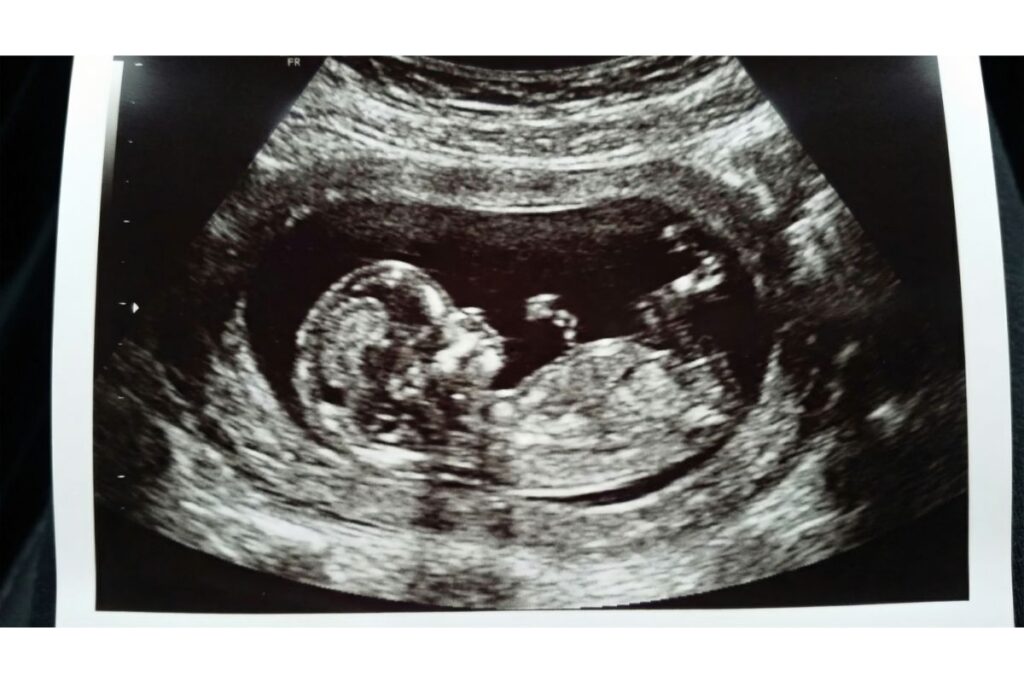
The Nuchal Translucency (NT) scan is typically the first major ultrasound you will encounter. It is a screening test performed in the first trimester.
- Timing: This scan must be done specifically between 11 and 14 weeks of pregnancy. It cannot be done later because the fluid being measured gets absorbed by the baby’s body after 14 weeks, making the results unreliable.
- Purpose: The primary goal is to measure the thickness of the nuchal translucency, which is a fluid-filled space at the back of the baby’s neck. Thicker fluid measurements can indicate a higher risk of chromosomal abnormalities, such as Down syndrome (Trisomy 21), Edwards syndrome, or Patau syndrome.
What is the Anomaly Scan?
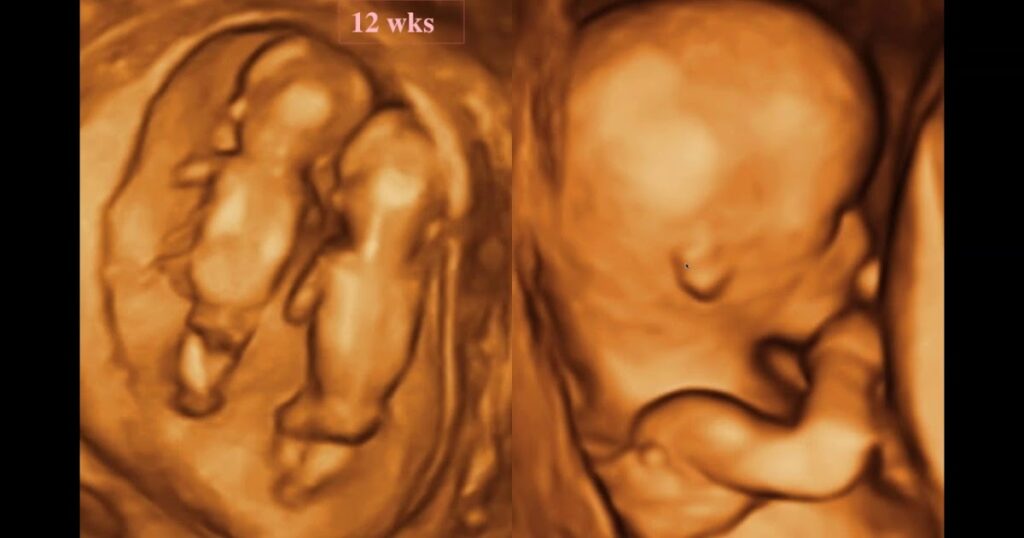
The Anomaly Scan, often called the “20-week scan” or “mid-pregnancy scan,” is a more detailed examination performed in the second trimester.
- Timing: This ultrasound is typically scheduled between 18 and 22 weeks‘ gestation.
- Purpose: Unlike the NT scan, which assesses genetic risk, the anomaly scan is a structural check. It provides a detailed overview of the baby’s physical development, examining organs such as the heart, brain, kidneys, and spine. It checks for physical abnormalities such as cleft lip, spinal defects, or heart issues, and also confirms the position of the placenta.
Key Differences: NT Scan vs. Anomaly Scan
To make it easier to digest, here is a quick comparison of how these two scans differ:
| Feature | NT Scan (Nuchal Translucency) | Anomaly Scan (Mid-Pregnancy) |
| When it’s done | 11 to 14 weeks (First Trimester) | 18 to 22 weeks (Second Trimester) |
| Primary Focus | Chromosomal & Genetic Risks | Physical & Structural Development |
| What is measured | Fluid at the back of the neck | Organs, limbs, spine, and face |
| Type of Result | Risk assessment (Probability) | Diagnostic (Visual confirmation) |
Do You Need Both Scans?
Yes, most healthcare providers recommend both because they complement each other. The NT scan provides an early risk assessment for genetic conditions, while the anomaly scan helps ensure the baby’s physical anatomy is developing correctly as they grow.
- If your NT scan shows low risk: You will still need the anomaly scan to check that the heart, kidneys, and other organs are developing normally.
- If your NT scan shows high risk: Your doctor may recommend further diagnostic testing (like amniocentesis) before you even reach the stage for an anomaly scan.
Conclusion
While both scans use ultrasound technology, they answer different questions about your baby’s health. The NT scan is your early genetic screen, while the anomaly scan is a detailed physical check-up. Attending both gives you the most complete picture of your pregnancy.
Also Read: What to Expect During an Anomaly Scan in Pregnancy?


