

If you’re considering an intrauterine device (IUD) for birth control, you might be wondering one prevalent question: “Can an IUD cause weight gain?” It’s a concern many women have before choosing long-term contraception, and it’s easy to get confused with so much mixed information online.
The truth? Most women do not gain significant weight due to an IUD. But like any medical topic, the whole picture is a little more layered. Let’s break down the myths, the science, and what you can realistically expect.
Understanding IUDs: Hormonal vs. Non-Hormonal
There are two main types of IUDs:
1. Hormonal IUD (Mirena, Kyleena, Skyla, Liletta)
These release a small dose of the hormone levonorgestrel, which can slightly affect your body systemically.
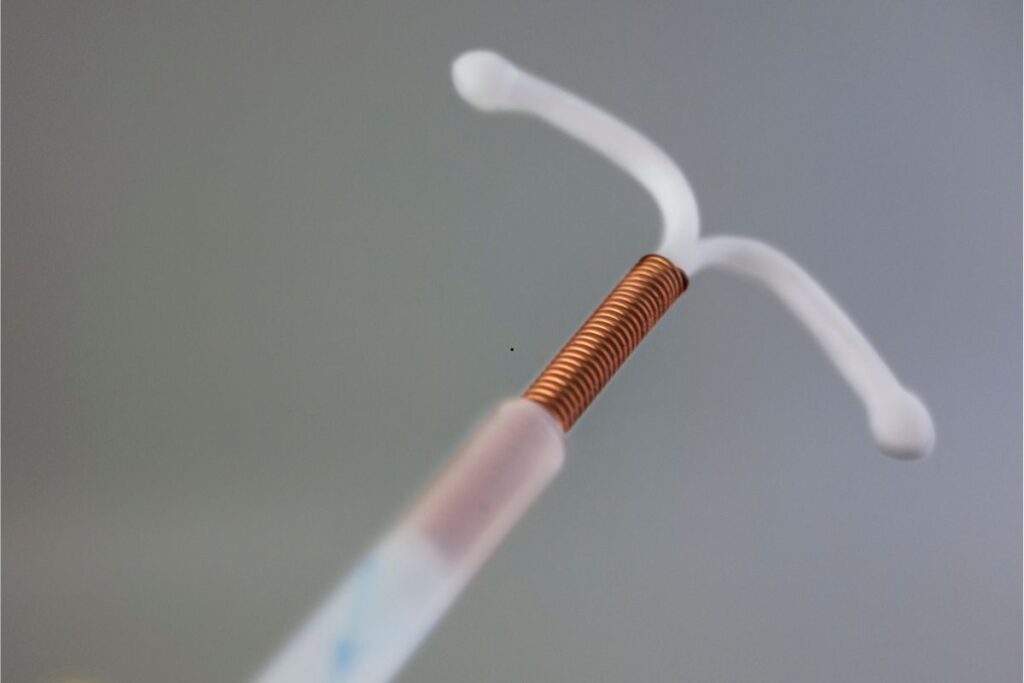
2. Copper IUD (ParaGard)
This IUD contains no hormones, making it physically impossible to cause hormonal weight changes.
So if you’re using a copper IUD, weight gain cannot be directly linked to it.
Myth #1: “IUDs Make You Gain a Lot of Weight”
This is one of the biggest misconceptions.
Reality:
Research shows no consistent or significant weight gain from IUDs. Some women may gain 1–3 lbs in the first few months, usually due to:
- Temporary bloating
- Fluid retention
- Body adjusting to hormones.
This usually settles as your body adapts.
Myth #2: “The Hormones in an IUD Act Like Birth Control Pills”
Many fear hormonal IUDs cause the same side effects as the pill.
Reality:
Hormonal IUDs release much lower hormone levels than pills, and primarily act locally in the uterus, not throughout the bloodstream.
This means:
- Lower risk of bloating
- Lower effect on appetite
- Fewer hormone-related weight fluctuations
So, Why Do Some Women Report Weight Gain?
A few reasons explain why some people associate IUDs with gaining weight:
1. Normal Body Changes Over Time
Weight naturally fluctuates with:
- Age
- Diet
- Stress
- Lifestyle
- Water retention
These changes often get blamed on the IUD.
2. Hormone Sensitivity
A small percentage of women are susceptible to even tiny hormonal shifts and may experience:
- Mild bloating
- Breast tenderness
- Increased appetite
This is uncommon but possible.
3. Misinterpreting Water Weight
Within the first 2–3 months, hormonal adjustments can cause temporary fluid retention, not actual fat gain.
Copper IUDs and Weight Gain
The copper IUD contains zero hormones, so it cannot cause weight gain.
If someone reports weight gain with the copper IUD, it is usually due to unrelated factors like lifestyle or metabolism, not the IUD itself.
Signs Your Weight Changes Might Not Be From the IUD
If you experience a steady weight increase months after insertion, consider:
- Thyroid issues
- Stress or sleep changes
- High-sodium diet
- Medication side effects
- Reduced activity levels
These are more likely culprits than the IUD.
When to Talk to Your Doctor
You should consult a healthcare provider if:
- Weight gain is sudden or excessive
- You have unusual bloating.
- You experience a severe mood or appetite change.s
- You feel the IUD doesn’t suit your bod.y
Sometimes switching to another contraceptive method helps if you feel hormonally sensitive.
Conclusion
Your IUD is unlikely to make you gain weight, especially long-term. The stories you hear are usually tied to natural body changes, fluid shifts, or personal sensitivity to hormones rather than the device itself.
If staying informed and confident in your birth control choices matters to you, always discuss your concerns with your healthcare provider. Understanding the real science behind IUDs helps you make the best decision for your body.
Also Read: Anomaly Scan in Which Week of Pregnancy? Avoid These Common Timing Mistakes


